MVNO & Wireless Reseller Compliance
You don't own a tower or a core network — but the FCC still treats you as a carrier for filing purposes. We handle the federal filings an MVNO actually owes, and just as importantly, we know which ones you don't.
Why now is a good time to launch an MVNO
The MVNO model is in the middle of a real growth cycle, not a fringe niche. A few forces are driving it at once:
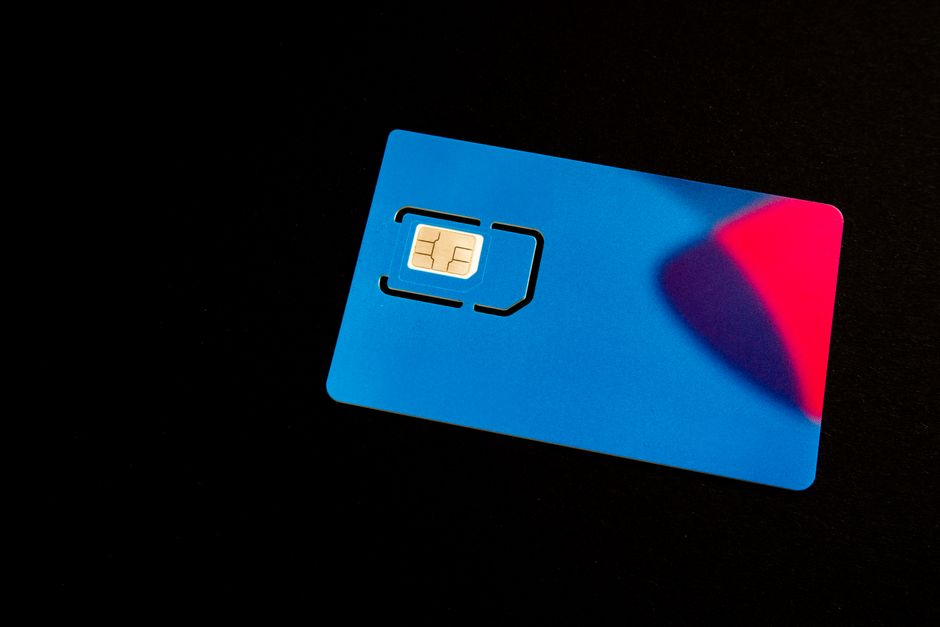
- eSIM adoption — every current-generation iPhone and most flagship Android devices ship eSIM-capable, which collapses what used to be a multi-week SIM-fulfillment problem into an instant digital activation. That alone has opened the door to launching a mobile brand without ever touching physical hardware or a retail footprint.
- International travelers and digital nomads — travel eSIM providers turned "buy a local SIM at the airport" into "activate a data plan before you land," and that demand keeps growing as more travelers expect it by default. It's one of the fastest-growing MVNO use cases precisely because there's no contract, no store visit, and no physical inventory to manage.
- Niche and affinity brands — fitness brands, fintechs, immigrant-community carriers, IoT/fleet-connectivity providers, and loyalty programs are all bundling connectivity into their existing customer relationship instead of leaving that revenue and that touchpoint to someone else.
- Connected devices beyond the phone — cellular smartwatches, tablets, asset trackers, connected cars, security systems, and industrial IoT sensors all need a data connection that isn't tied to a customer's primary phone plan. That's a second, separate line of MVNO demand on top of handset service, and it's growing faster than handset connections are.
- Host-network economics keep improving — the major national networks continue to compete for MVNO wholesale volume, which keeps entry costs down for a new resale brand relative to a few years ago.
None of that changes what the FCC requires of you. A growth market with a low technical barrier to entry is exactly the environment where compliance gets skipped — until it doesn't, and it costs a lot more to fix after the fact than to file correctly at launch.
What actually applies to an MVNO
- FRN / CORES registration — the FCC registration number every filer needs before anything else.
- FCC Form 499-A — annual revenue reporting. Wireless resale carriers get a dedicated 37.1% safe harbor percentage, distinct from the facilities-based wireless rate — filed under the wrong category, you either overpay your USF contribution or draw an audit.
- CPNI Annual Certification — required every year, with a wireless/MVNO-specific certification template, not a generic wireline one.
- CALEA SSI Plan — your System Security and Interception plan, again using the wireless/MVNO document variant.
- RMD registration — the FCC's Robocall Mitigation Database, required of every voice service provider regardless of whether you own the network underneath.
MVNO Carrier Registration Package
Already got some of this done? Order it a la carte
FCC Form 499-A Filing
$499 per filing
Annual revenue reporting with the correct wireless resale safe-harbor percentage applied.
CPNI Annual Certification
$199 per filing
Your yearly CPNI certification, using the wireless/MVNO-specific template.
CALEA SSI Plan
$799 per filing
System Security and Interception plan built for a wireless resale carrier, not a generic wireline template.
RMD Registration / Recertification
$249 per filing
Robocall Mitigation Database registration — required for any voice service provider.
STIR/SHAKEN Implementation
$499 per filing
Only if you originate calls under your own attestation — many MVNOs ride their host network's STIR/SHAKEN attestation and don't need this separately. Ask us if you're not sure which applies to you.


Why MVNOs work with us
- We get the reseller-vs-facilities distinction right — the correct safe-harbor percentage, and no BDC filing pushed on you when it isn't owed.
- Our CPNI and CALEA documents are generated for wireless resale carriers specifically, not adapted from a wireline template after the fact.
- One intake covers FRN, 499-A, CPNI, and CALEA together — you're not re-explaining your business to four different filers.
Not sure what you actually owe?
Run our free FCC compliance check to see what filings apply to your carrier before you order anything.